


Pet Tracker Showdown: Smart Tag, 4G GPS, Microchip – Manly Test
All Pet Guides/Pet Tracker Showdown I’ve always wondered how different pet‑tracking methods stack up when you actually take them outside real Australian conditions. So, I ran a mini test along the Manly to Spit coastal walk in Sydney with three tracking options - a basic Bluetooth Smart Tag, a 4G GPS tracker, and the standard pet microchip.
After a few warm days (and a couple of tired legs), here’s what I learned.
The Classic Pet Microchip
Every pet in Australia should have one - full stop. Microchipping is required in NSW and costs roughly $60–90 at the vet, usually done once and linked to council registration.
But here’s the limitation: a microchip isn’t a live tracker. If your pet goes missing, they have to be physically found and scanned by a vet or ranger. There’s no map, no signal, no way for you to track them yourself. For quick recoveries (say, a dog slipping the gate), it’s helpful only once your pet reaches someone who can scan it. So, it’s essential but not enough by itself.
Bluetooth Smart Tag Pet Tracker
Next, I clipped on a small Mini Smart Tag Pet Tracker - similar to Apple’s AirTag and about the same size. At around $20, it’s compact, light, and easy to attach to a collar.
These tags rely on Apple’s Find My network, meaning they ping off nearby iPhones. That’s fine in busy urban spots - near cafes, parks, or even shopping areas - but almost useless once you enter quieter sections of the Manly–Spit track and let your pet run a bit further from you.
During my test, the tag worked well from Manly Wharf up to Clontarf Reserve, but once I reached the bushy middle stretch, it basically went silent. If your dog disappears into the scrub, the tag can’t talk to anything unless another iPhone happens to pass by.
Verdict: Great for inner‑city walks or enclosed parks, not reliable for bush trails or camping.
4G GPS Pet Tracker

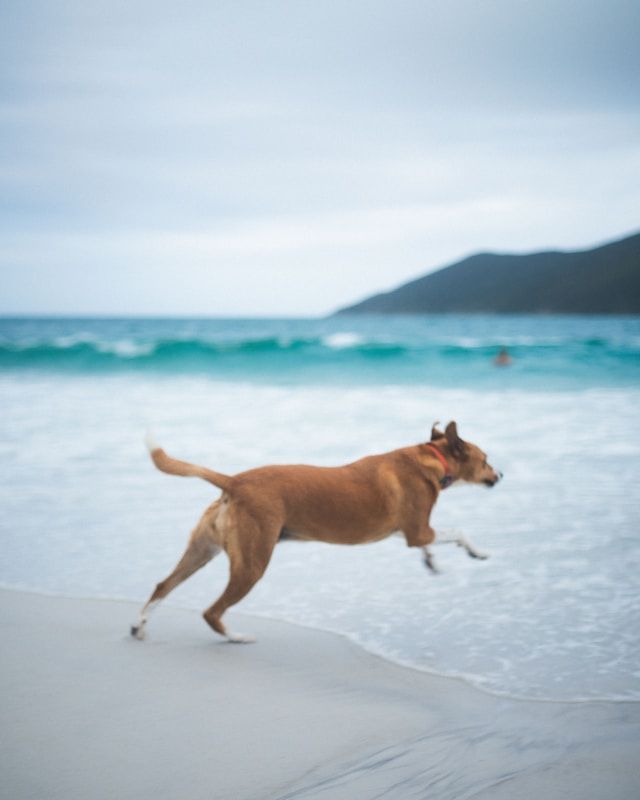
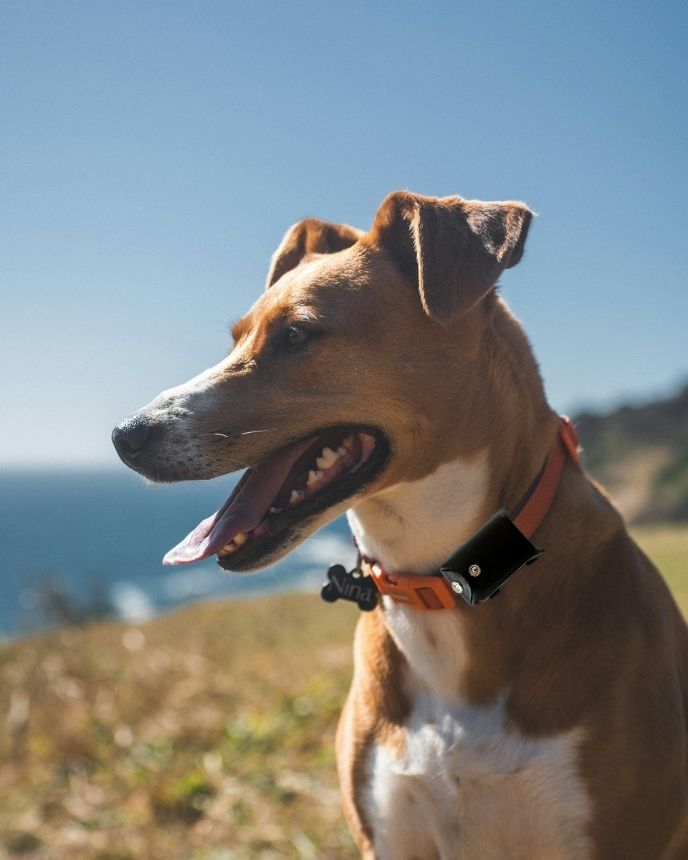
Now for the heavy‑duty option - the 4G GPS Pet Tracker (the one sold at Cheeky Bobby - 4G Dog GPS tracker). It’s a bit larger (about 7 × 4 × 2 cm), better suited to medium to large pets, and priced around $50 plus a SIM card.
I’ve tested it with Telstra and Aldi Mobile (Optus) SIMs. Telstra had noticeably better coverage during the Manly–Spit walk, especially around the Dobroyd Head bush sections, where the Bluetooth tag lost connection.
Battery life using the “move” setting (only tracking when the pet moves) easily lasted a full‑day hike. Updates slow slightly in weak signal areas, but overall it’s the only option that truly works off‑grid.
Verdict: Reliable, affordable, and versatile - especially for adventurous dogs. Just remember you’ll need a SIM card and quick setup through the tracking app.
So Which One Wins?

Microchip – Mandatory backup for ID, but no real‑time tracking.
Smart Tag – Great for city pets, unreliable in remote areas.
4G GPS Tracker – Best all‑rounder for Australian conditions, especially for active dogs.
My personal pick? The 4G tracker. It’s not perfect, but it gives proper peace of mind when my dog’s off‑leash or we’re walking long stretches with patchy coverage.
Final Thoughts
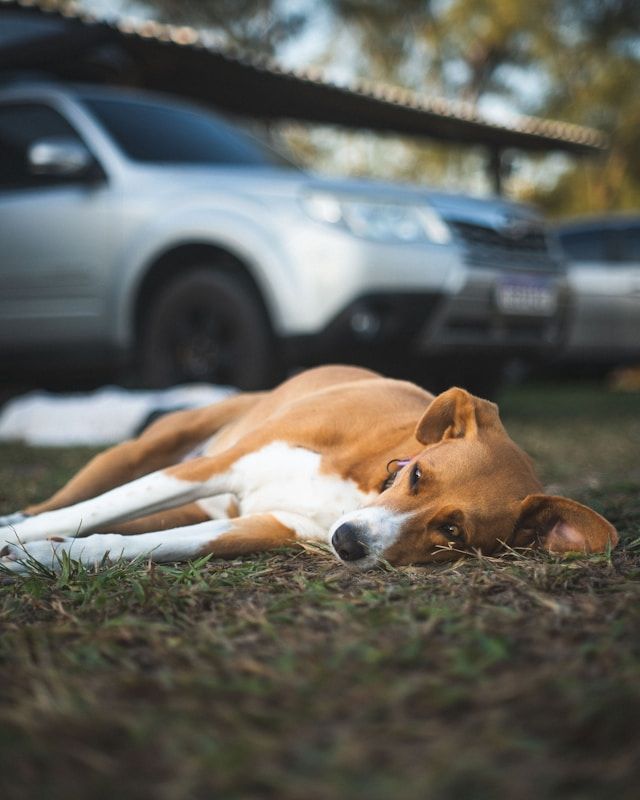
There’s no one‑size‑fits‑all for pet tracking. Your choice really depends on where you live and what kind of adventures your pet has.
If your walks mostly stay near cafes and fenced dog parks, the Smart Tag is a bargain. But if you’re hitting coastal walks, bushland, or anywhere remote, go for a 4G tracker - and always microchip your pet just in case.
If you’d like a tracker that’s been tested in Australian conditions, check out the range of Australian pet trackers.
Quick FAQ
1. Do pet trackers replace microchips?
No. Trackers help you locate your pet in real time, but only a microchip links to your details if they’re handed in to a vet or ranger. Use both together.
2. How far does a Bluetooth Smart Tag work?
About 10 metres directly, then it depends on other iPhones nearby. That’s why it’s great in cities, not bush trails.
3. Do GPS trackers need mobile coverage?
Yes, at least minimal 4G signal. Telstra gives better coverage across most Australian national parks.
4. Are these devices waterproof?
Most are water‑resistant, fine for rain or splashes, but not for full swimming sessions. Check specs before a beach day.