

Pets & Plastics: Health Risks for Aussie Pets
All Pet Guides/Pets & PlasticsWhen we think about plastic pollution, we usually picture clogged beaches and seabirds tangled in waste. But many forget that the danger is also sitting right inside our homes. From squeaky balls to chew bones, most pet toys sold in Australia are made from plastics that break down into invisible fragments. Our dogs and cats chew them, swallow them, and unlike us, they don’t get to choose differently.
The Chewing Habit That Never Ends
 According to Earthday.org’s Pets vs Plastics Report (2024), millions of plastic toys end up in landfill every year, many made from PVC or nylon. These shed tiny fragments—microplastics—that don’t pass harmlessly through the body. In fact, studies have detected phthalates and BPA (common chemicals used to soften plastics) in the urine of every single dog and cat tested, at levels similar to humans.
Unlike babies, who outgrow teething, our dogs chew for life. That means constant exposure through squeaky plastic balls, nylon bones, or polyester plushies. Ironically, it’s the exact same behaviours that make babies vulnerable to microplastics—but for pets it never stops.
Case Studies That Hit Close to Home
The Pets vs Plastics Report includes sobering examples of pets harmed by plastic toys. In one case, a puppy swallowed a chunk of his favourite plastic squeaky and required emergency surgery to remove it. Another dog vomited up a large piece of nylon chew labelled “100% safe”—but “safe” only meant “non-toxic if swallowed,” not indestructible.
Even rope toys aren’t always safe: many are made from synthetic fibres that shred into microplastic strands as dogs gnaw at them.
Why It Matters for Aussie Families
Here in Australia, the pet industry has grown rapidly—over one million dogs were adopted just since 2019. Pet ownership is booming, but regulations around pet toys and food are practically non-existent.
As Pets vs Plastics (2024) notes, Australia has “no pet food regulation at all”—the industry monitors itself through voluntary codes, with no binding laws on what ingredients can be used. That means plastic contamination from ear tags, food wrappings, or cheap synthetic additives can easily find its way into the food chain. If EU and North American regulators are already revisiting their standards on BPA and phthalates, why are our pets left with less protection here at home?
Health Risks We Can’t Ignore
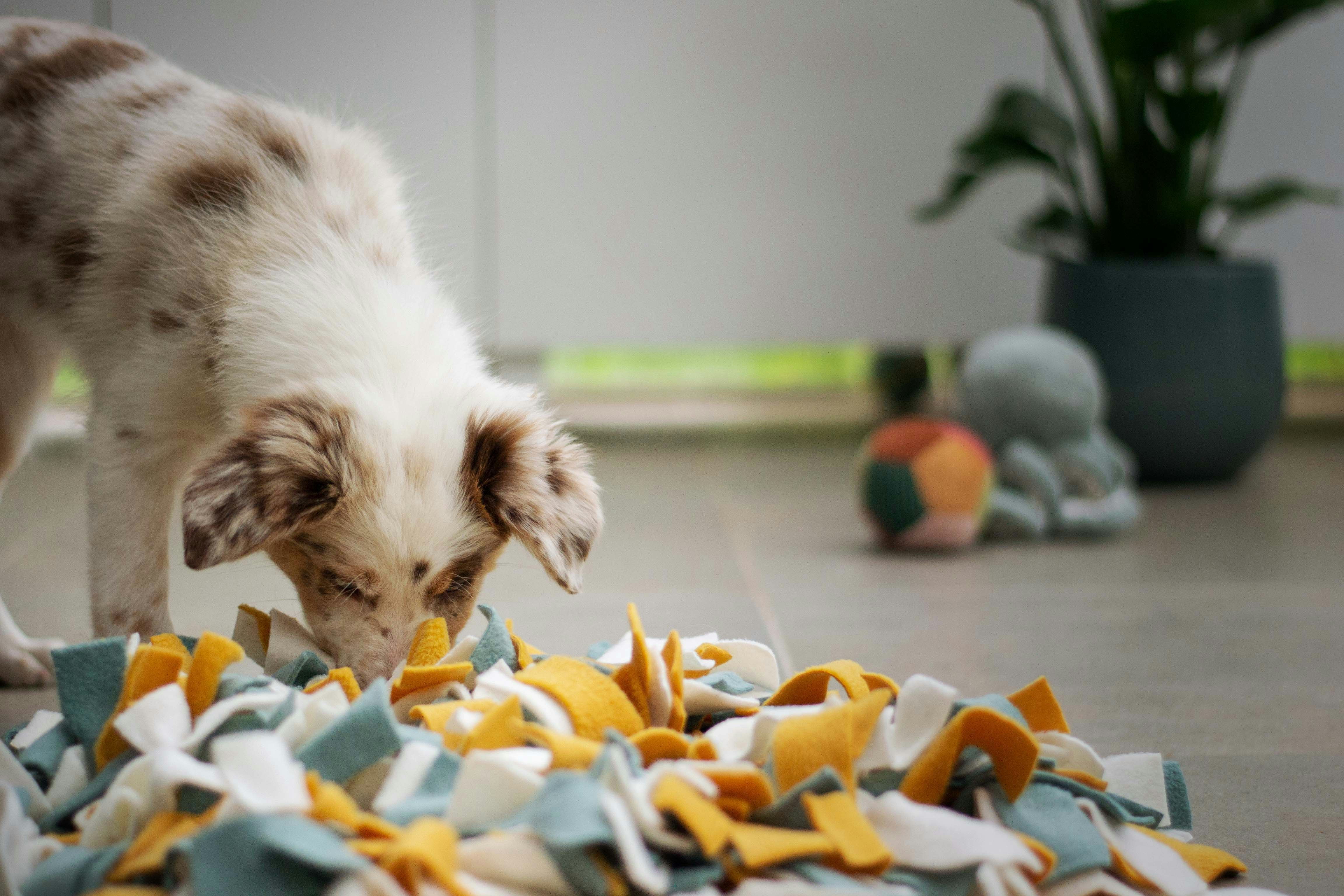
 Microplastics and the additives they carry (like phthalates, BPA, and even “forever chemicals” found in some food packaging) have been linked to:
- Hormone disruption and thyroid problems
- Reproductive issues, including reduced sperm counts in dogs
- Gut inflammation and changes to microbiome health
- Higher risk of liver and kidney damage
Pets are sometimes called “sentinel animals” because, just like the canary in the coal mine, they warn us of risks we share. If our dogs and cats are ingesting plastics—we are too.
What Can We Do Instead?
Until stronger regulation arrives, prevention falls to us as responsible pawrents. Practical swaps include:
- Choose natural toys: organic cotton, hemp ropes, untreated wood, or natural rubber balls.
- Avoid plastic bowls and tubs: use stainless steel, glass, or ceramic.
- Keep dust low: vacuuming reduces microplastics from clothing fibres that settle close to the floor.
- Pick safer bedding: hemp, cotton and wool instead of polyester-based “plush beds.”
The Cheeky Bobby Difference
At Cheeky Bobby, we care about more than playtime. We’re bringing pet parents a safer, healthier choice: toys made from natural fabrics and materials you can actually trust. Durable, non-toxic and fun—without the hidden chemical burden.
Check out our natural-fabric toy range here on the site. Your best mate will thank you—with tail wags, not vet bills.
Final Word
Plastic pollution isn’t just an ocean problem—it’s happening right here in our lounge rooms. Our furry family members deserve better. Next time you’re choosing a chew or a squeaky, ask: is this safe for them long-term?